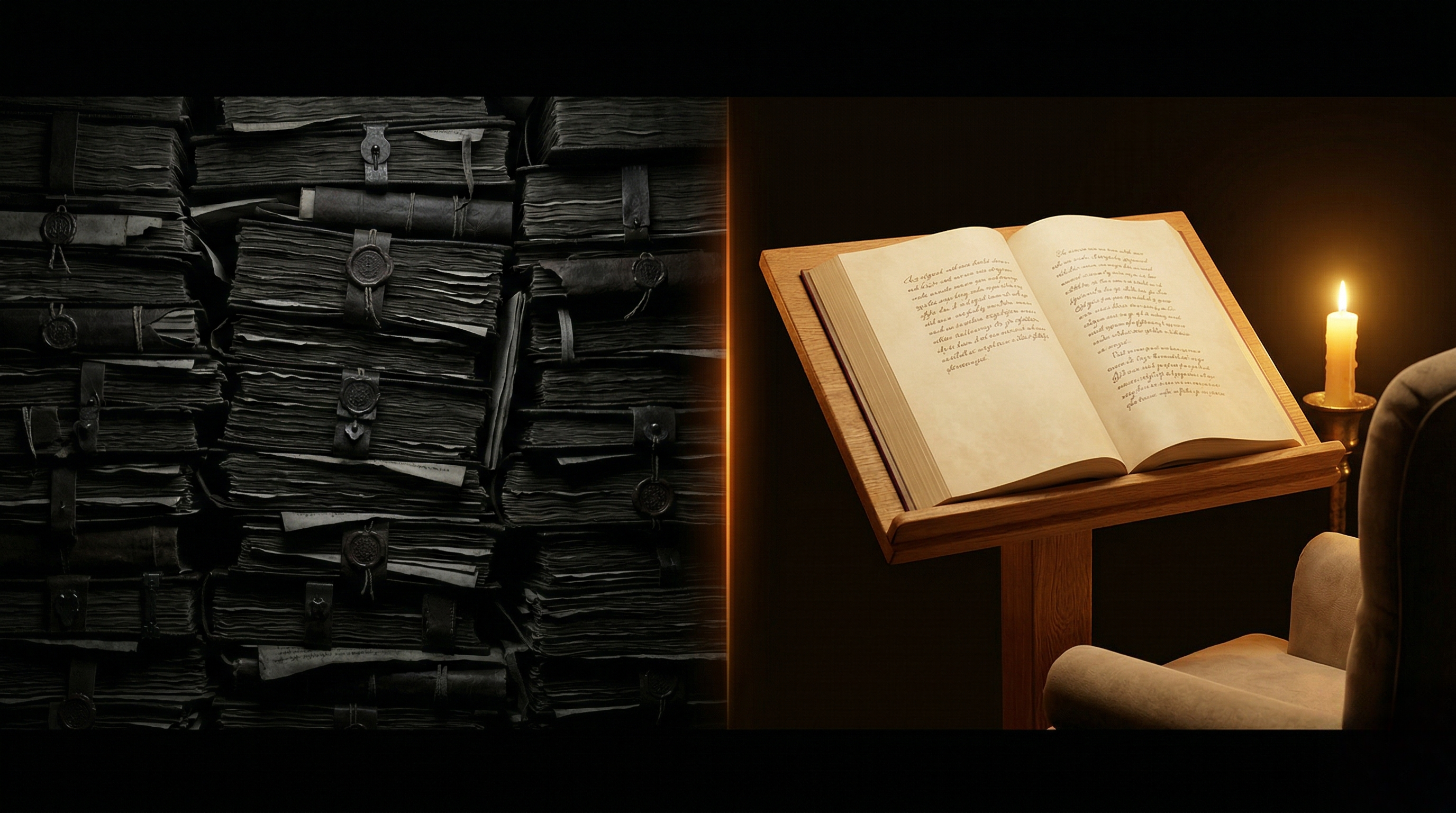
One Manuscript. Every Reading Level. Zero Loss of Meaning.
Transform dense academic prose into accessible text — without losing a single argument, a single scripture reference, or a single thread of logic.
Seminary Level
8th Grade
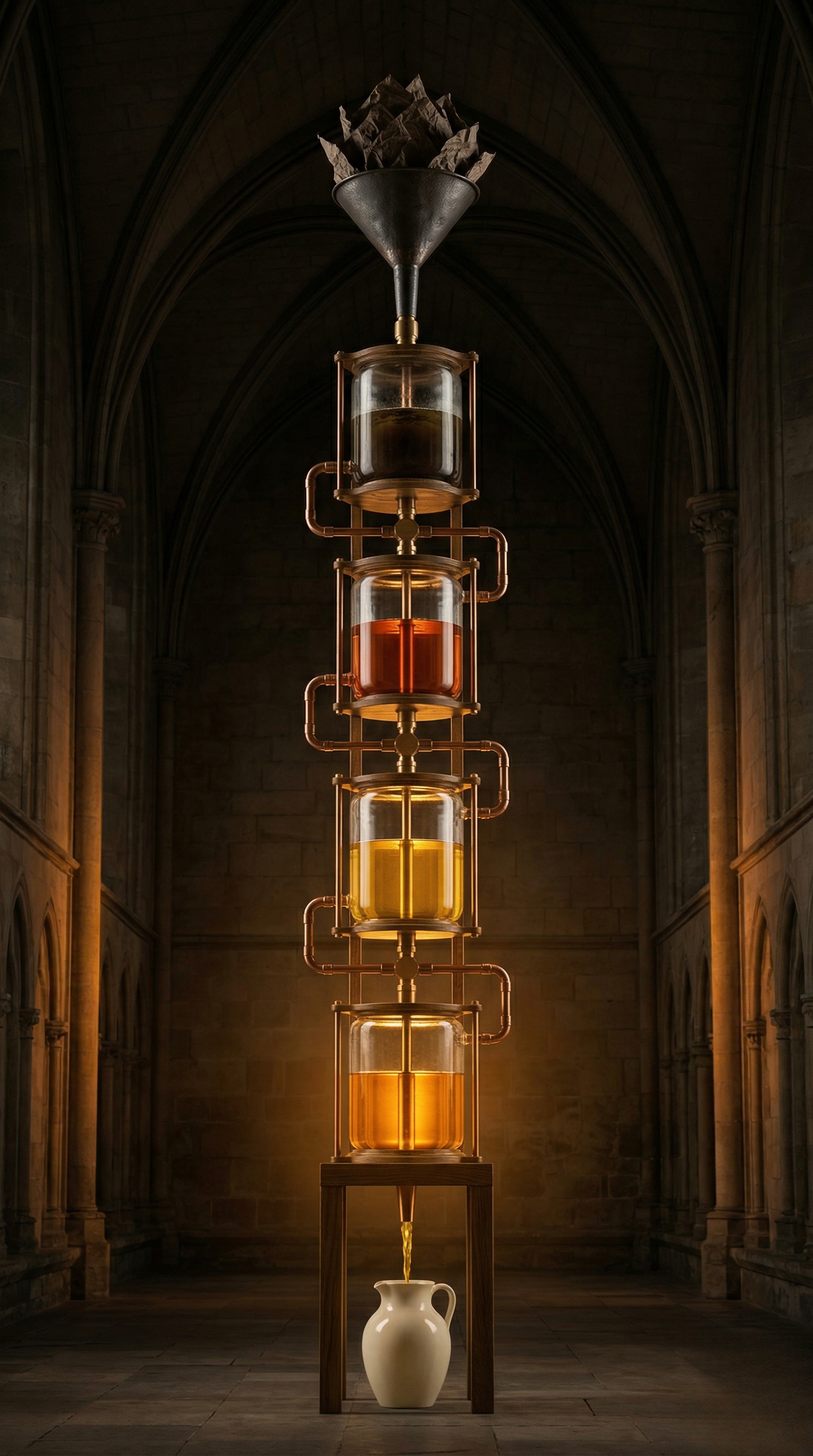
How does it work?
Step 1
We Analyze Your Text
ChapterMill's proprietary AI reads your source manuscript and builds a protected reference of every argument, claim, and logical connection.
This reference ensures nothing gets lost in translation.
Approximately 6 seconds
Step 2
We Rewrite It In Your Voice
The system studies your previous works — your metaphors, your rhythm, your way of addressing readers.
Then it rewrites at your target reading level, in your voice, while preserving every argument. Your style intact.
Your voice. Simpler words.
Step 3
We Verify Nothing Was Lost
Verified for quality before delivery. Every time.
Before delivering the result, ChapterMill runs a patent-pending verification system to ensure quality before delivery:
✓
Quality Assurance
The output must hit your target reading level and preserve every argument from the original. If it doesn't meet the standard, the system keeps working until it does.
Gets it right on the first try 75% of the time.
Delivers 100% of the time.
The Same Theology. Half the Reading Level.
Genesis 6 — The Antediluvian World
Before
15.9FK Grade
Graduate Level
Genesis 6 was written against the backdrop of Babylon — a civilization that told its own version of the same story. In Mesopotamian mythology, the antediluvian world was visited by divine beings called the apkallu — seven sages sent by the god Ea to teach humanity the arts of civilization: writing and wisdom, metallurgy and construction, religious rites and celestial observation. In Babylonian tradition, these beings were celebrated culture-heroes; their hybrid nature and their instruction were viewed as the catalyst for human greatness.
After
7.5FK Grade
8th Grade
Genesis 6 was written against the backdrop of Babylon. Babylon told its own version of the same story. In Mesopotamian myths, divine beings called the apkallu visited the world before the flood. These were seven sages sent by the god Ea to teach humans civilization. The apkallu taught writing and wisdom. They showed humans how to work metal and build structures. They revealed religious ceremonies and how to read the stars. Babylonian tradition celebrated these beings as culture-heroes. Their mixed nature and their teaching sparked human greatness.
Written by Dustin Brimberry. Transformed by ChapterMill.
Author Verified
Author's note: The phrase "against the backdrop of" appears in both versions. The system initially simplified it, but the author reviewed the output and restored the original phrasing. That is by design — the author always has final say. ChapterMill transforms. The author approves.
Numbers 16:30 — The Verb בָּרָא (bara)
Before
8.9FK
The verb בָּרָא (bara) appears approximately fifty-four times in the Hebrew Bible, a relatively small number when you consider that its near-synonym עָשָׂה (asah, 'to make, do') occurs 2,633 times. This disparity is not accidental. In the qal stem — the basic active form — בָּרָא is used exclusively of divine activity throughout the entire Old Testament. Human beings עָשָׂה things; they build, form, fashion, construct. God alone בָּרָא.
After
6.4FK
The verb בָּרָא (bara) appears only fifty-four times in the Hebrew Bible. Compare that to its near-synonym עָשָׂה (asah, 'to make, do'), which occurs 2,633 times. This huge difference is not accidental. In its basic form, בָּרָא is used exclusively for divine activity throughout the entire Old Testament. Human beings עָשָׂה things — they build, form, fashion, construct. God alone בָּרָא.
Written by Dustin Brimberry. Transformed by ChapterMill.
Author Verified
Under 20s
seconds per section
Pennies
per chapter
100%
fidelity — zero meaning lost
75%
nailed on the first try
Private
Your manuscript stays private
"Make your theology accessible without making it shallow."
Your manuscript stays private. No training. No sharing.